Master’s thesis project 2021 - 2026
Developing a design guideline for accessible products and an interactive tool to support participatory design processes involving blind and visually impaired people.
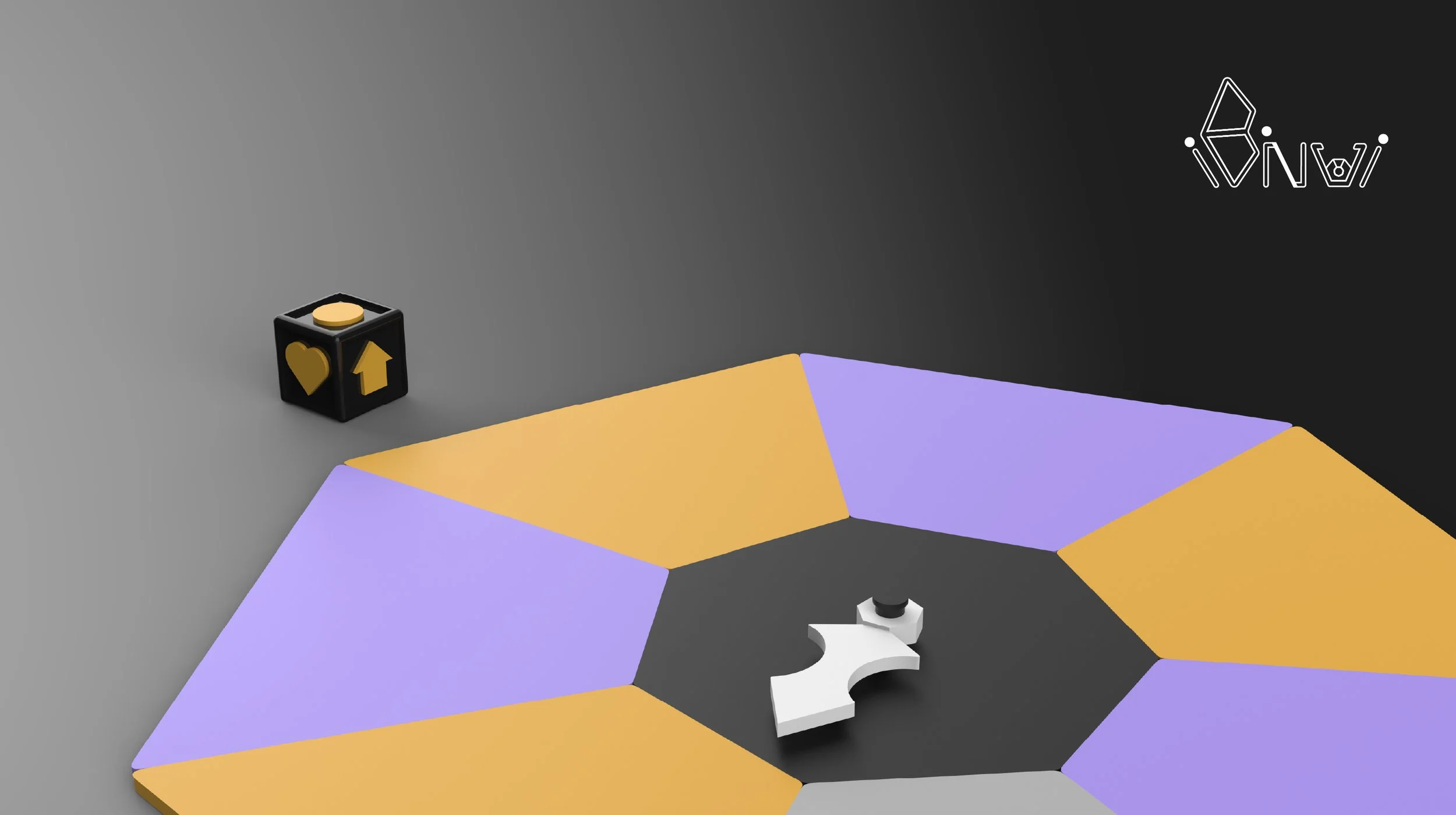
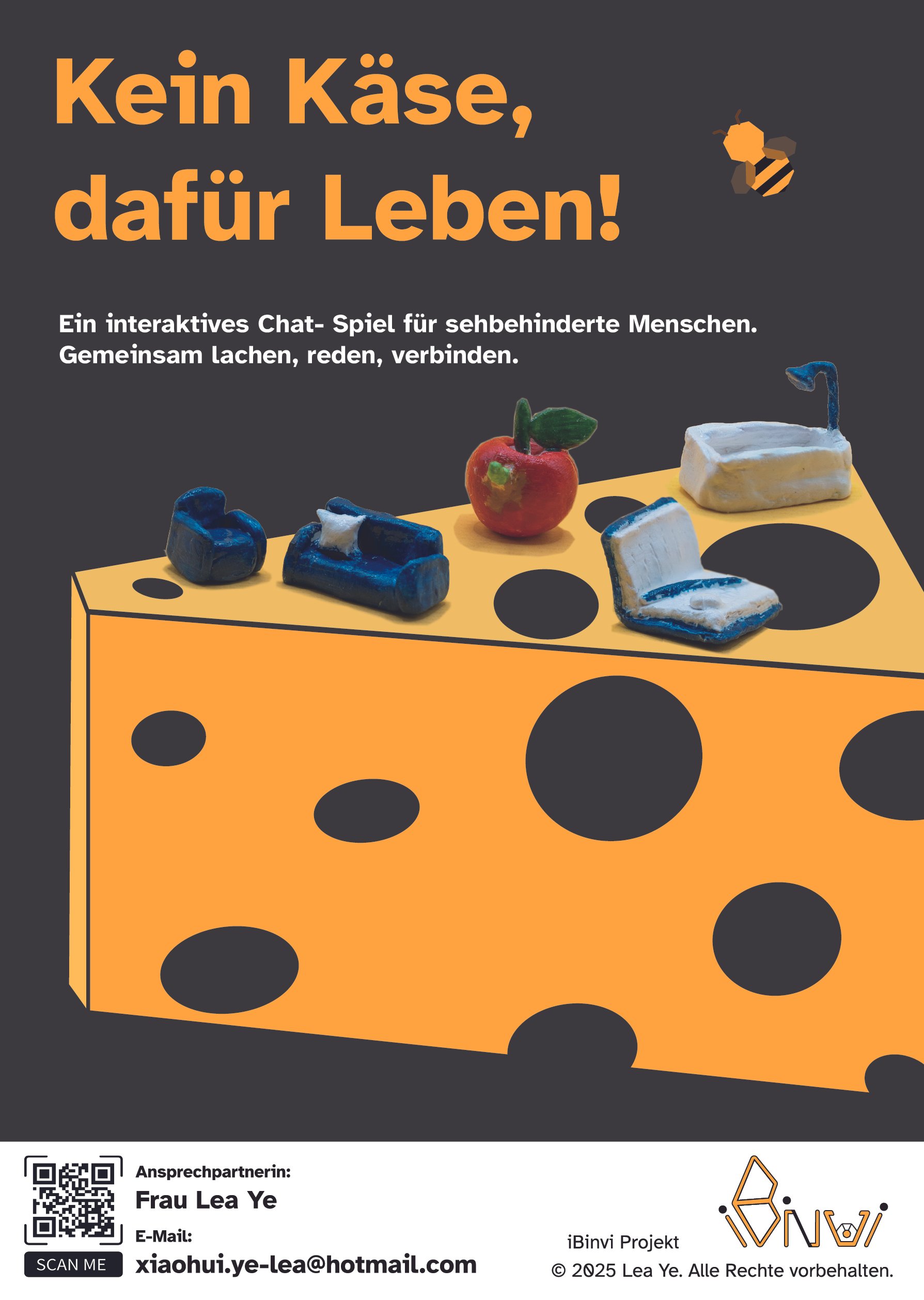
How can design be made more inclusive? Design for everyone. This project develops a design guideline and an interactive game to actively involve blind and visually impaired people in the design process.
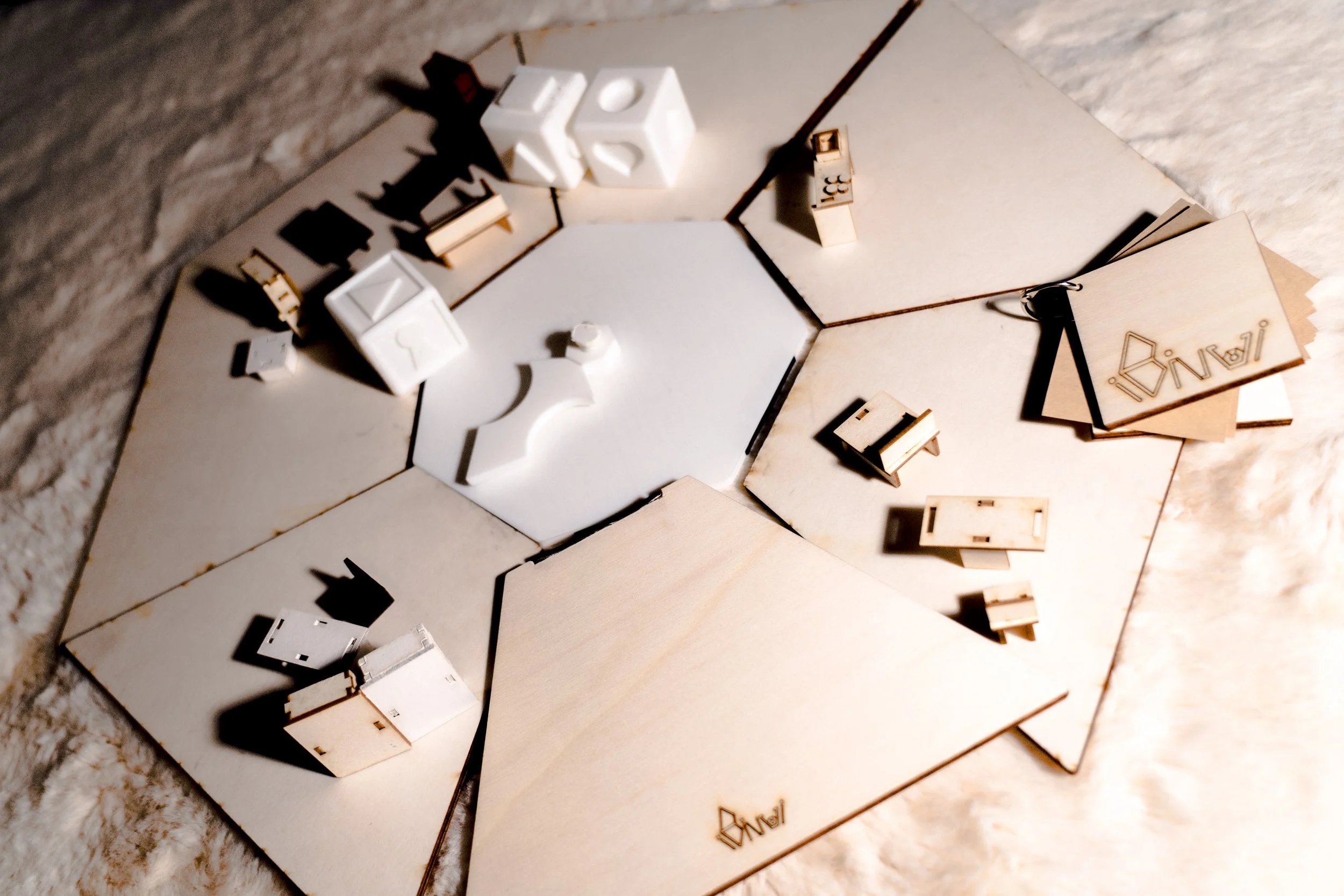
The guideline draws on theoretical research and, from the perspective of blind and visually impaired users, explores how inclusive products can be designed. Based on this, the tool “iBinVi” was developed to facilitate participatory design processes with blind and visually impaired people.
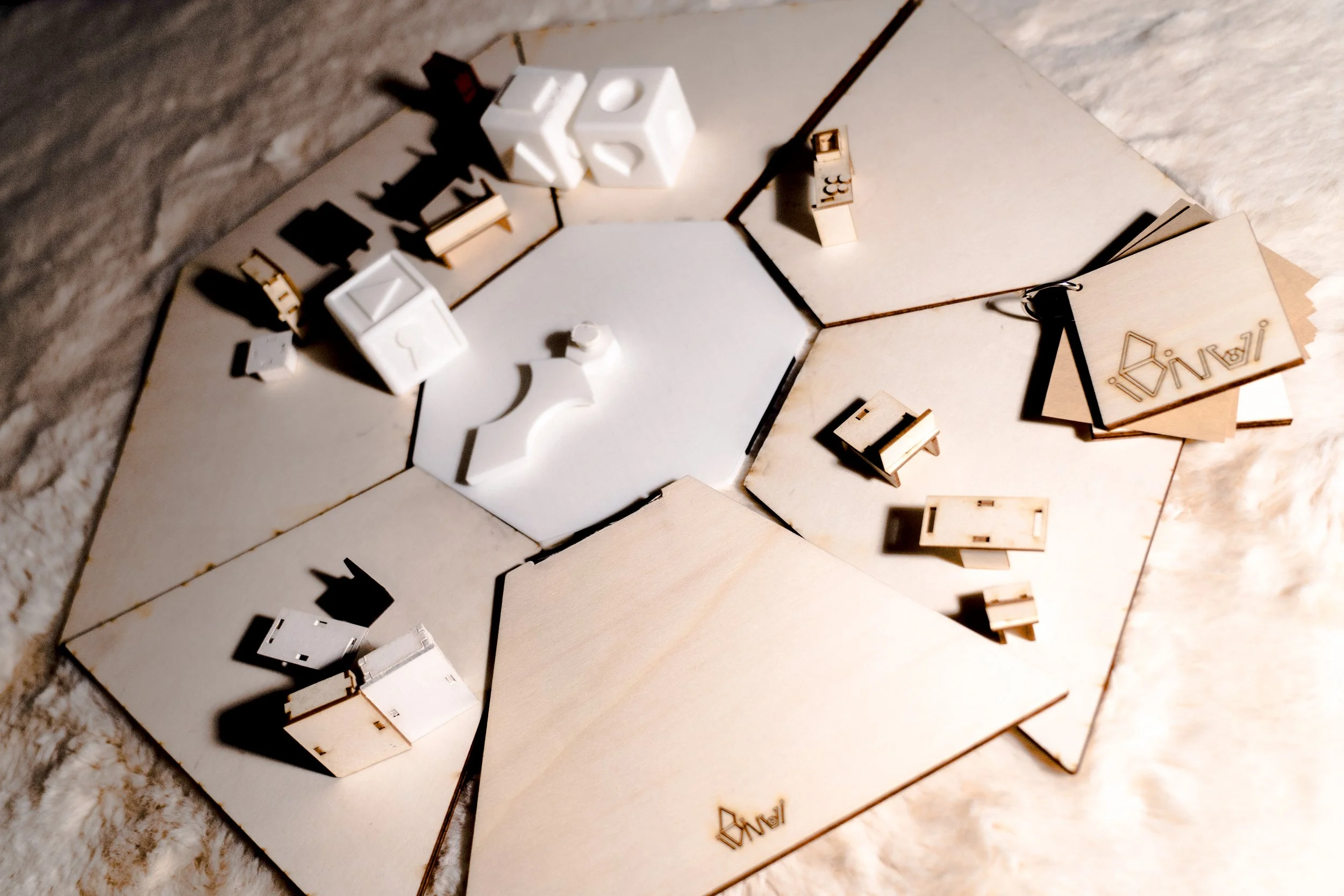
The game is designed for approximately 3 to 5 blind and visually impaired participants, with sighted participants included as needed.
Game procedure:
Set up the board game
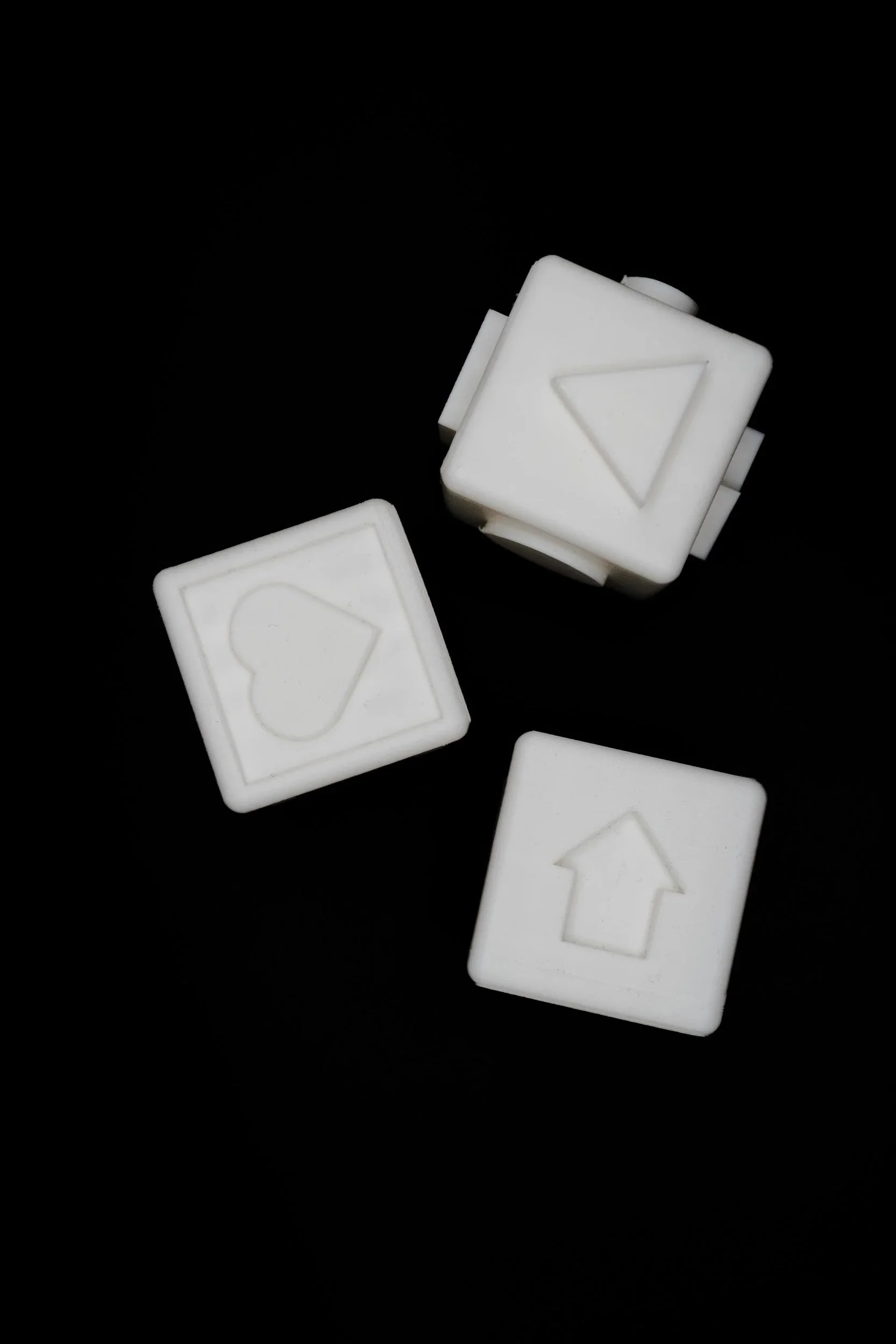
activate the pointer on the spinner and roll the dice
the player explores the dice and the indicated topic area by touch to determine which topic and question word have been selected.
the player should formulate an open-ended question using the chosen topic and question word.
The discussion then begins.


appropriate for the occasion
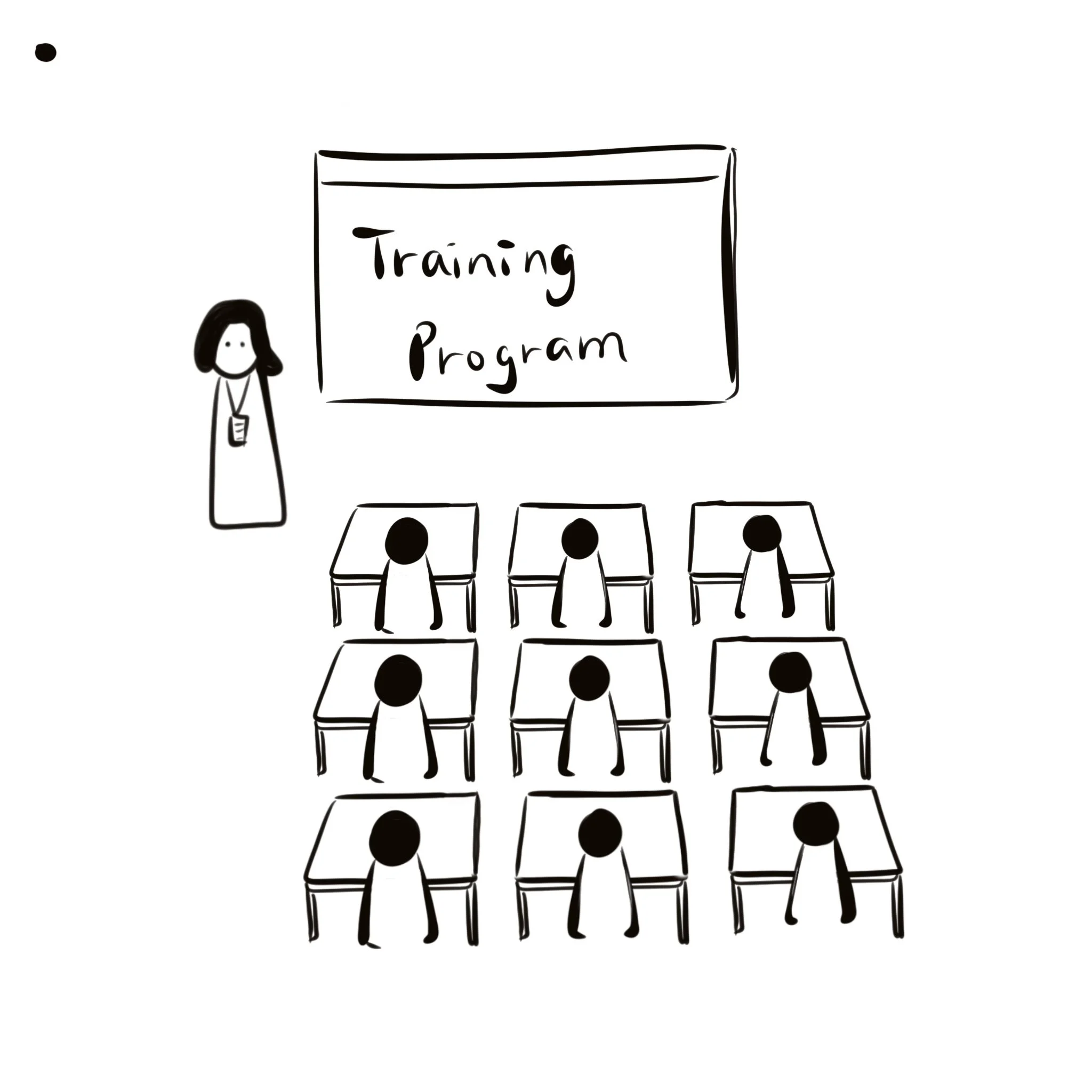
training Programme
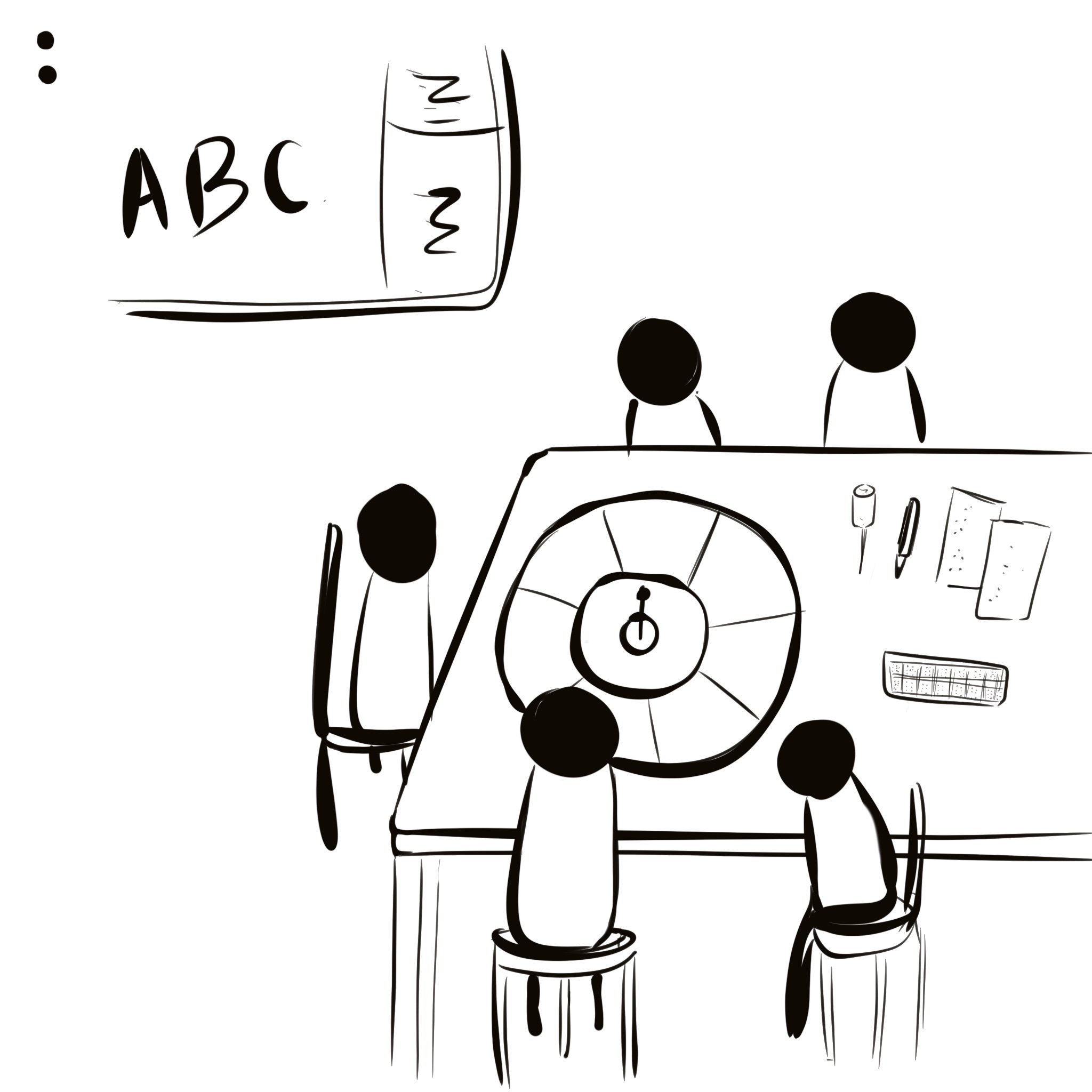
education
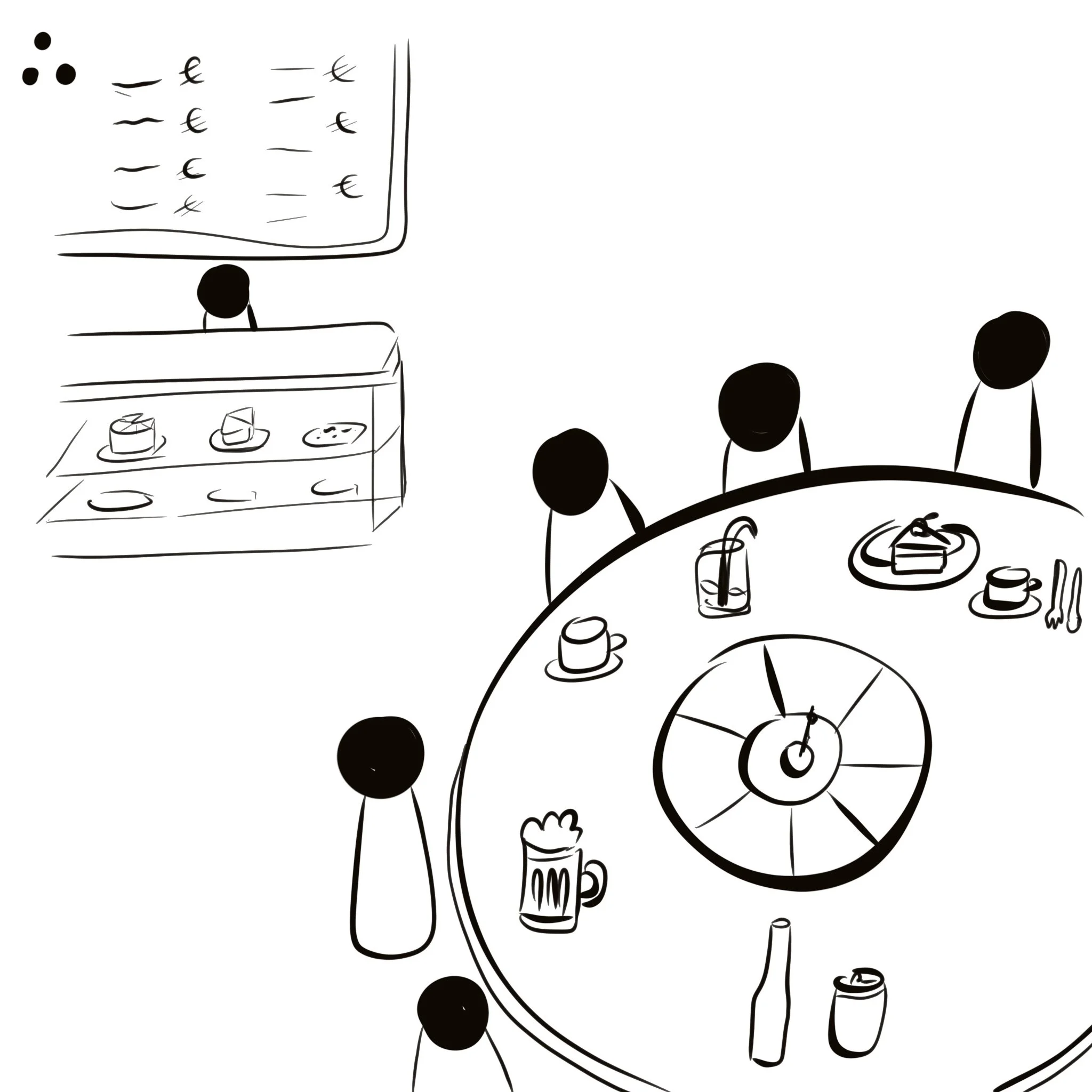
social gatherings
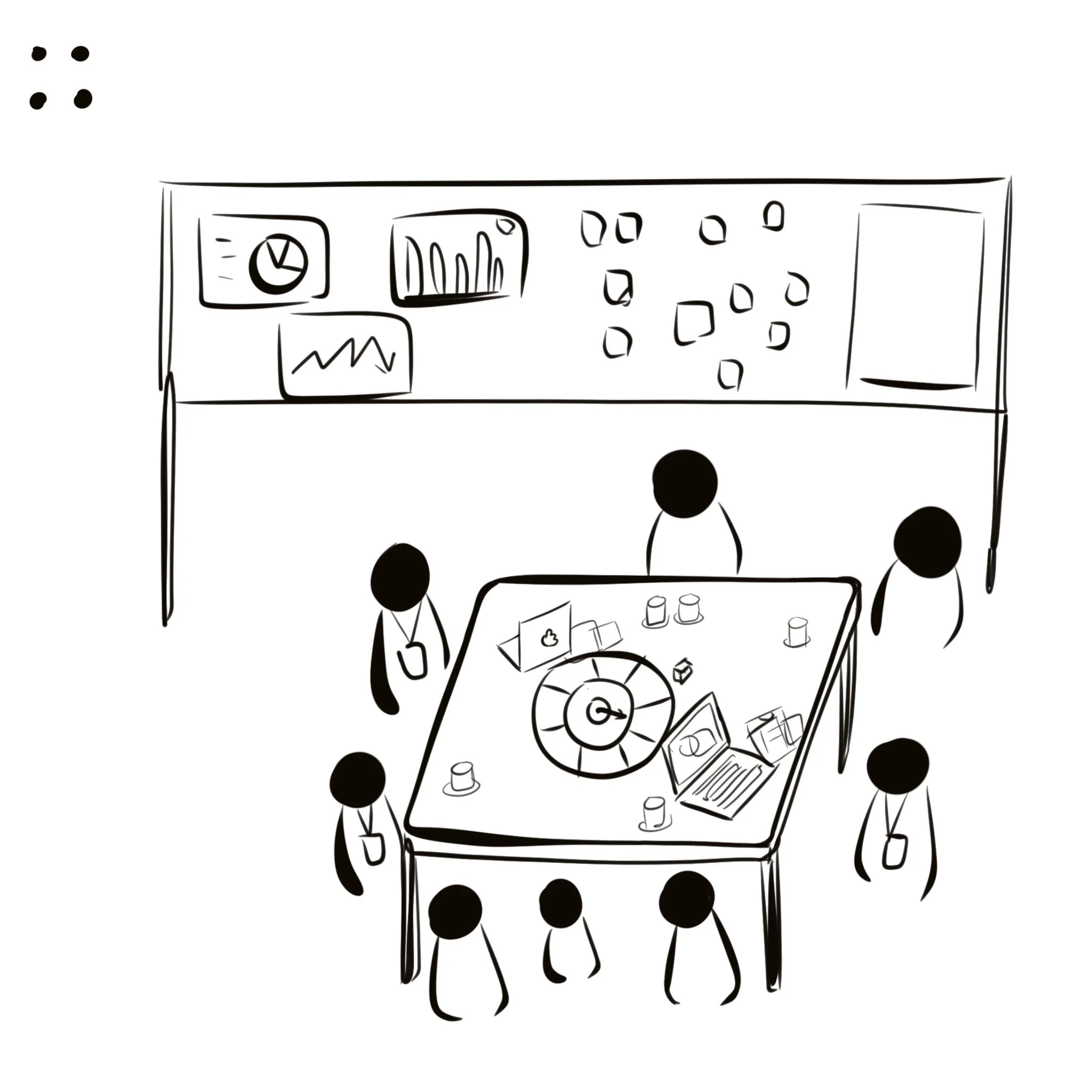
design progress
Feedback
Entertaining and easy to play
Flexible and suitable for different contexts (e.g., icebreakers, group activities)
Fully tactile, no visual or written information required
Encourages associative thinking and open conversation
Different objects spark varied associations, making each round unique
Inclusive for blind, visually impaired, and sighted participants
Six Guideline
-
![]()
1.
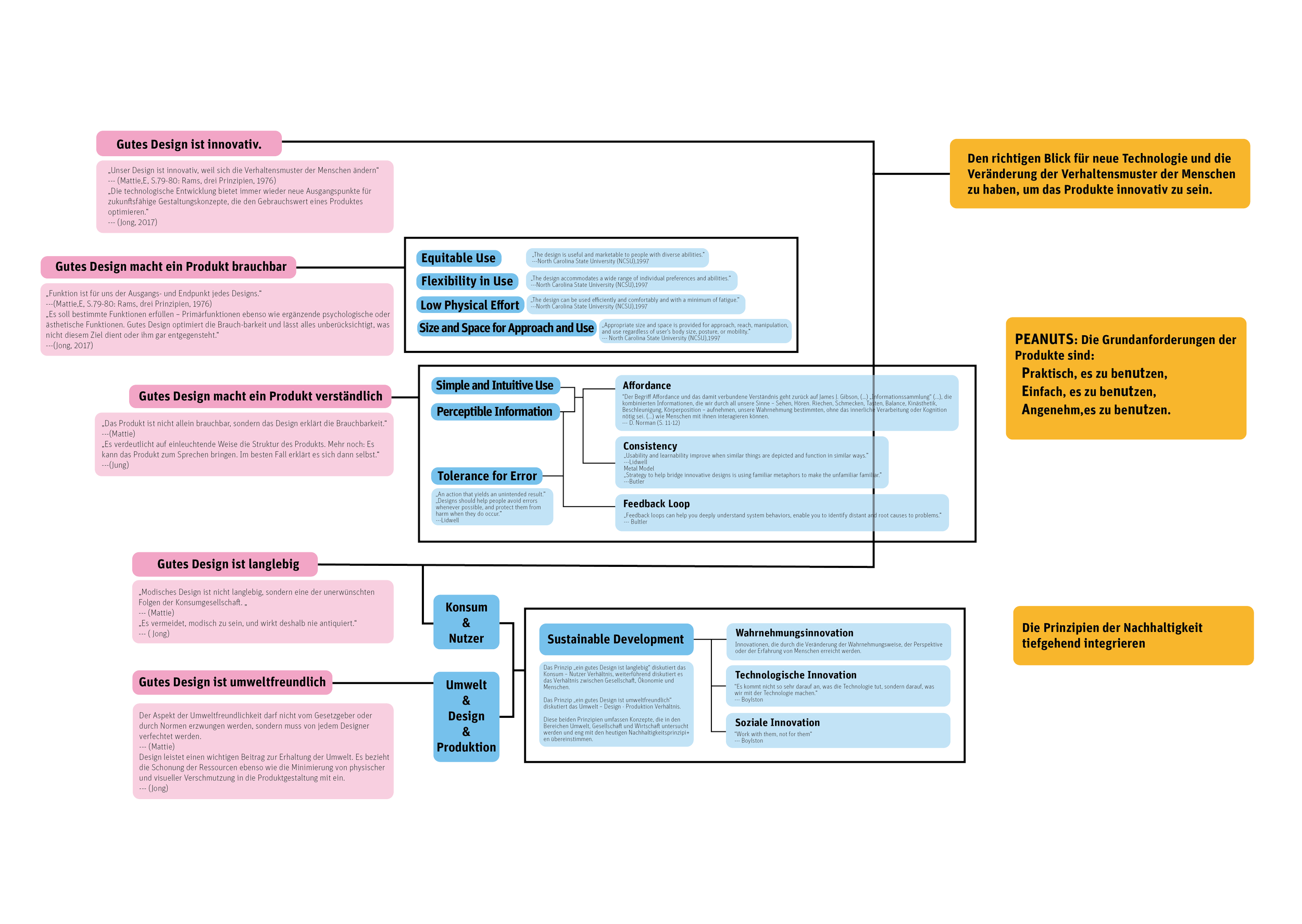
Designers need a clear understanding of new technologies and shifts in human behavior to design innovative products.
-
![]()
2.
“PEANUTS” - Practical to use, Easy to use, Pleasant (German: Angenehme) to use
-
![]()
3.
The design should take sustainable development into account.
-
![]()
4.
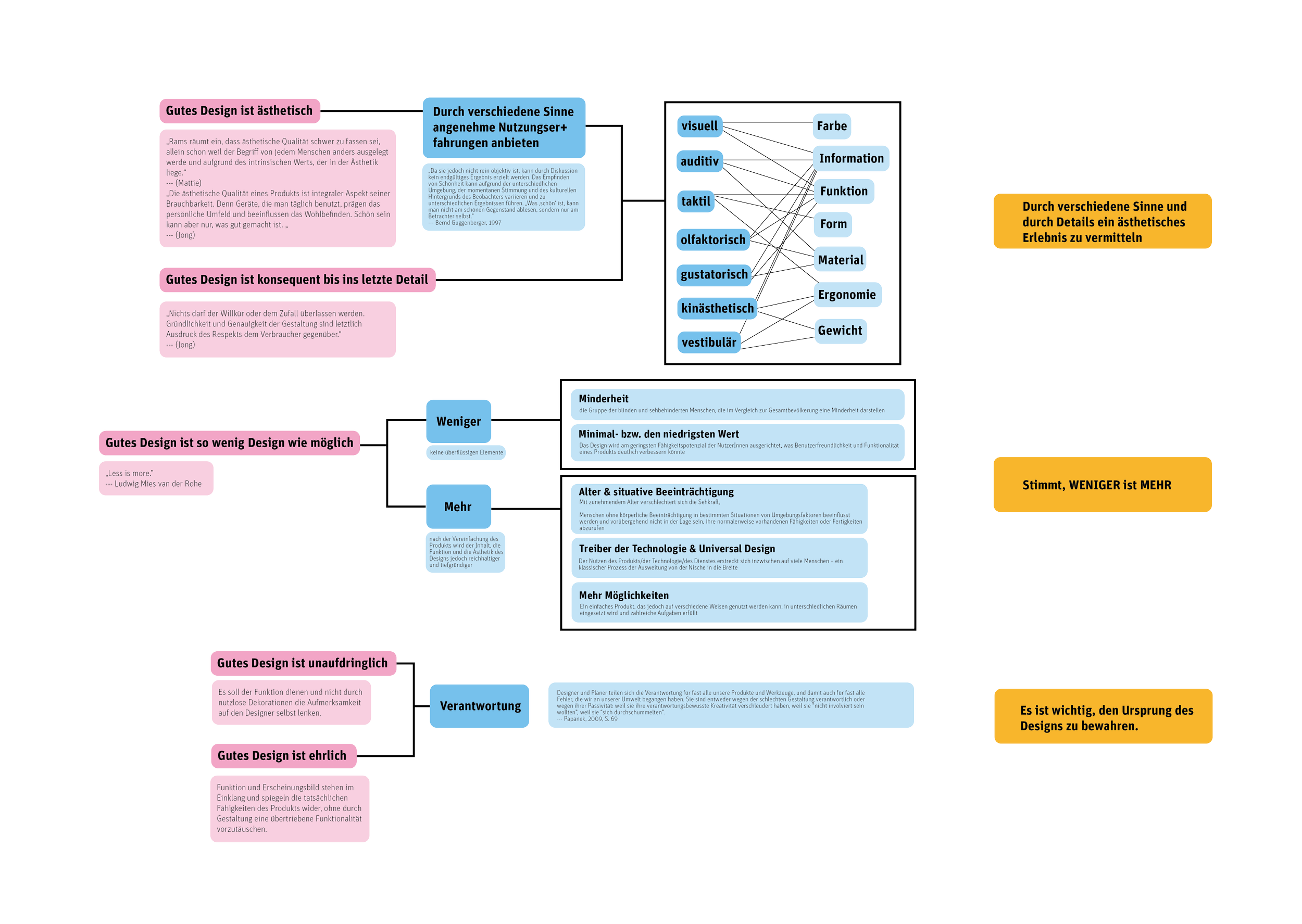
To convey an aesthetic experience through multiple senses and attention to detail.
-
![]()
5.
Exactly, less is more.
-
![]()
6.
It is important to maintain the original essence of the design.
RESEARCH
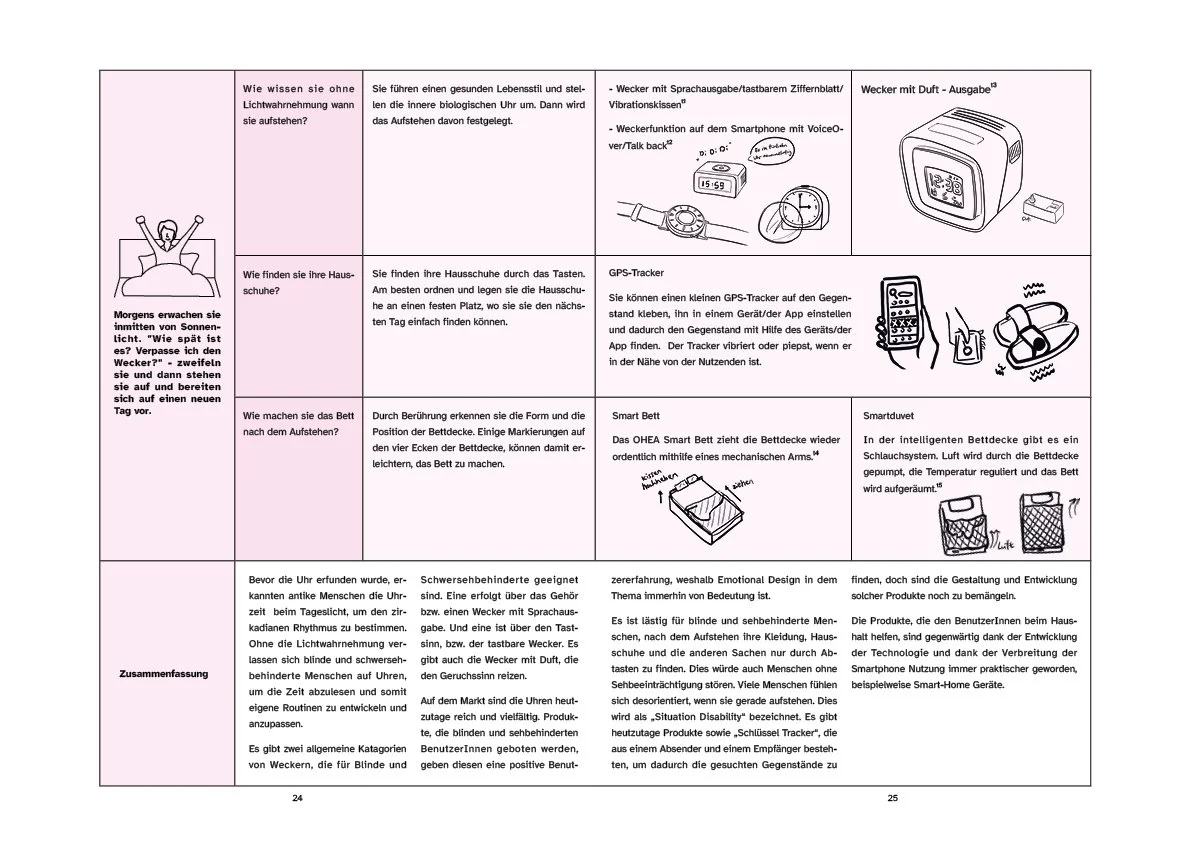
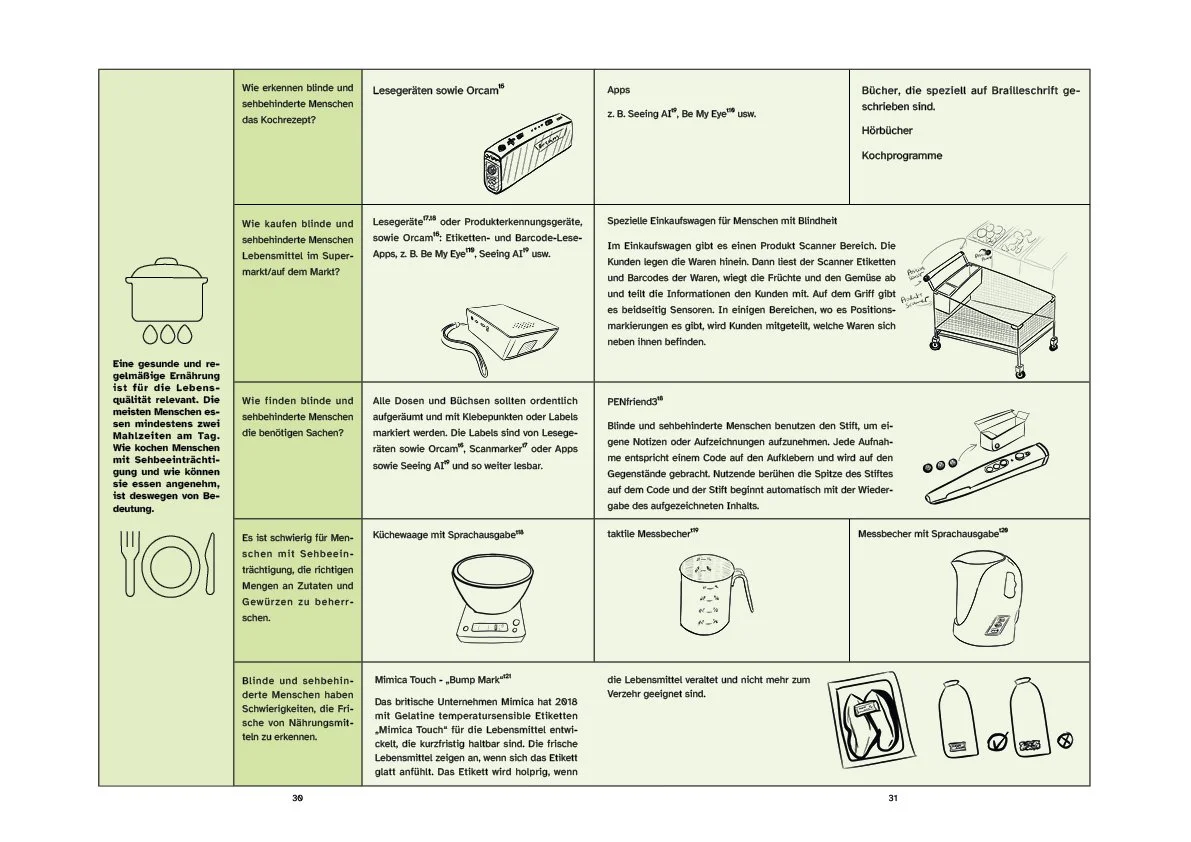
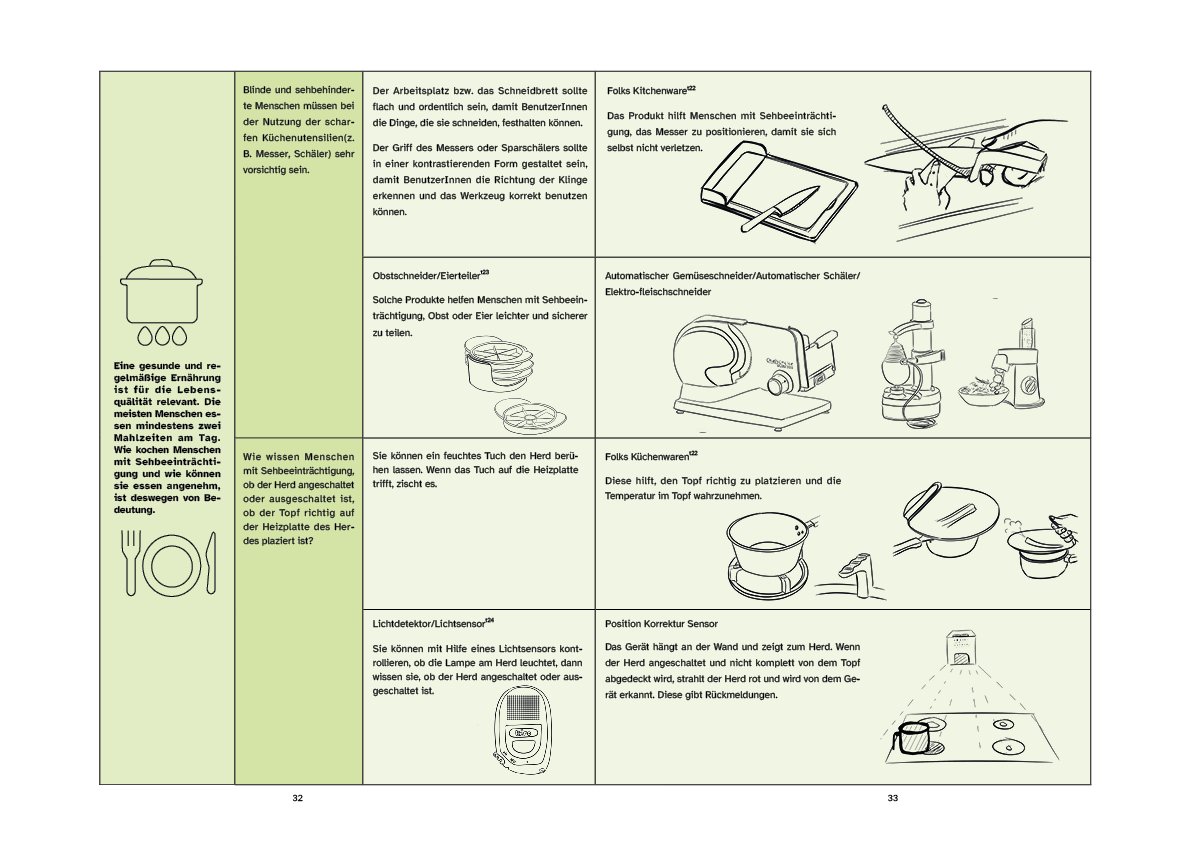
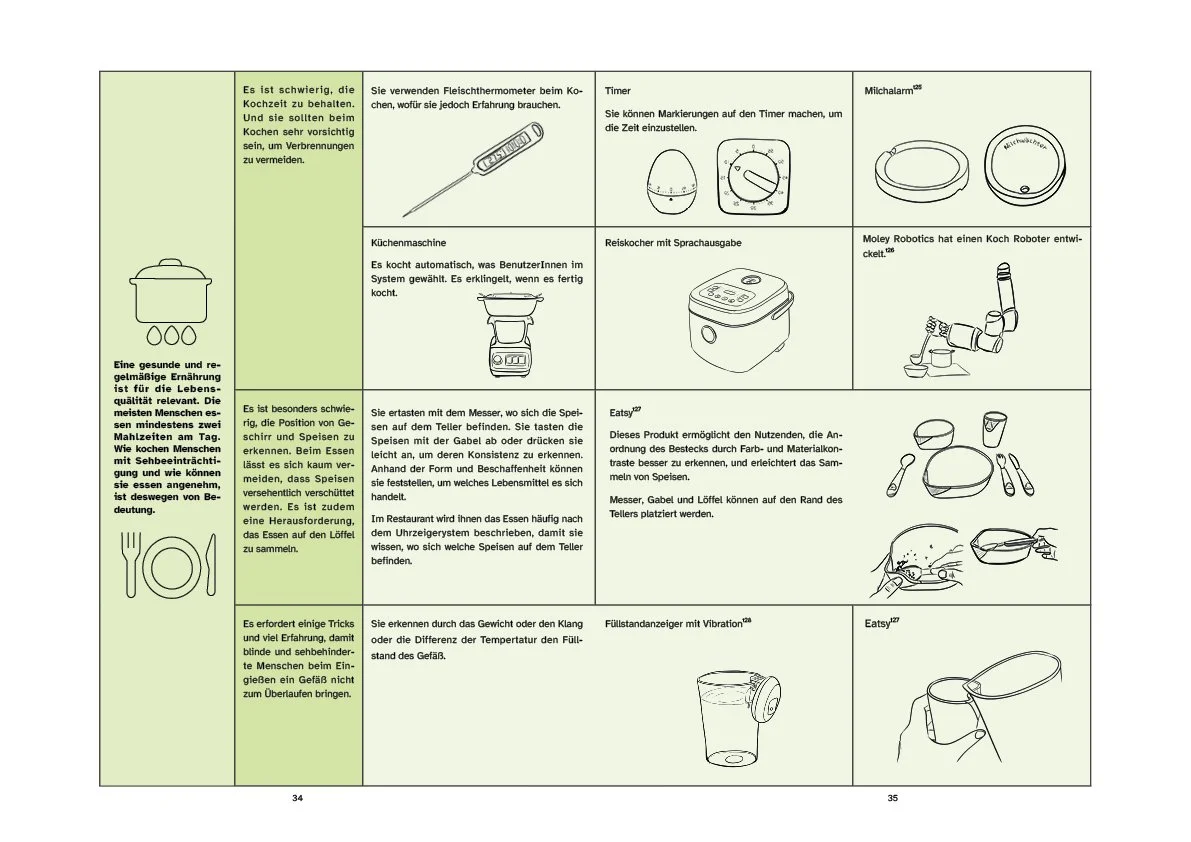
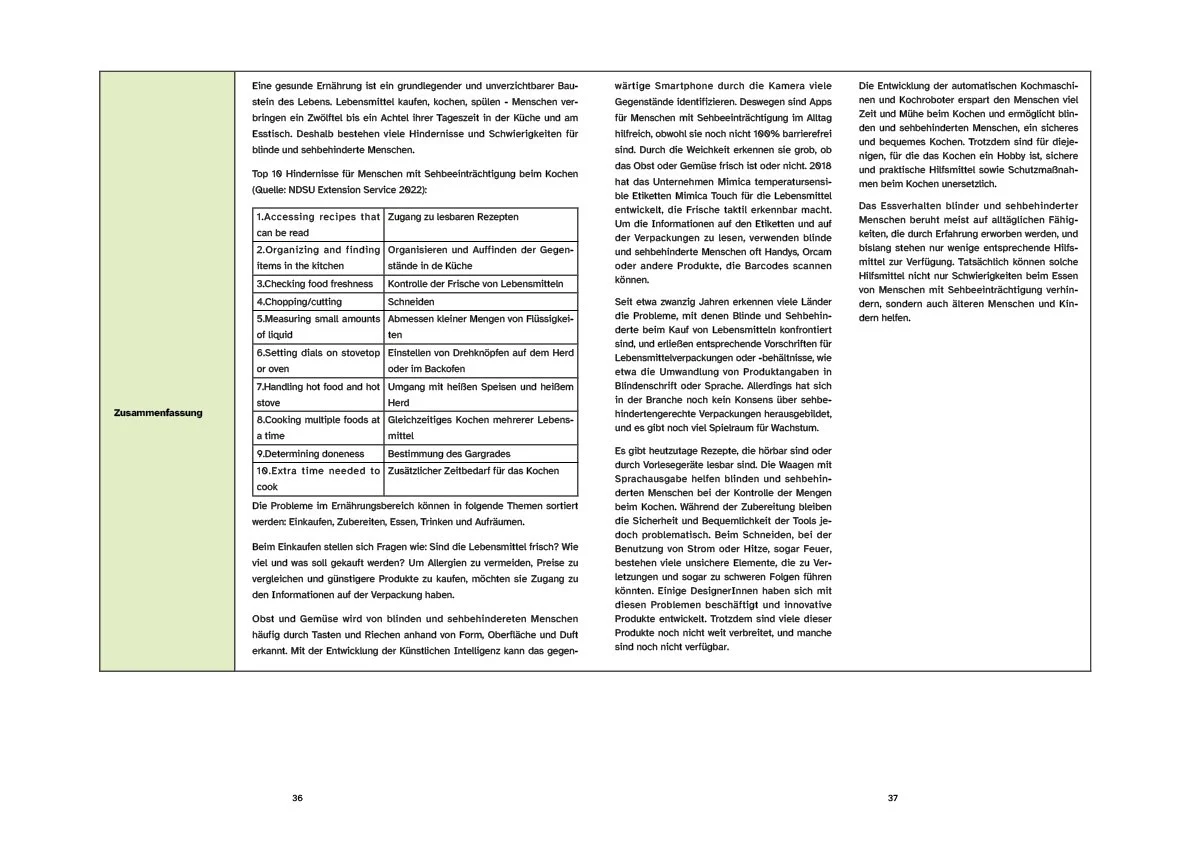
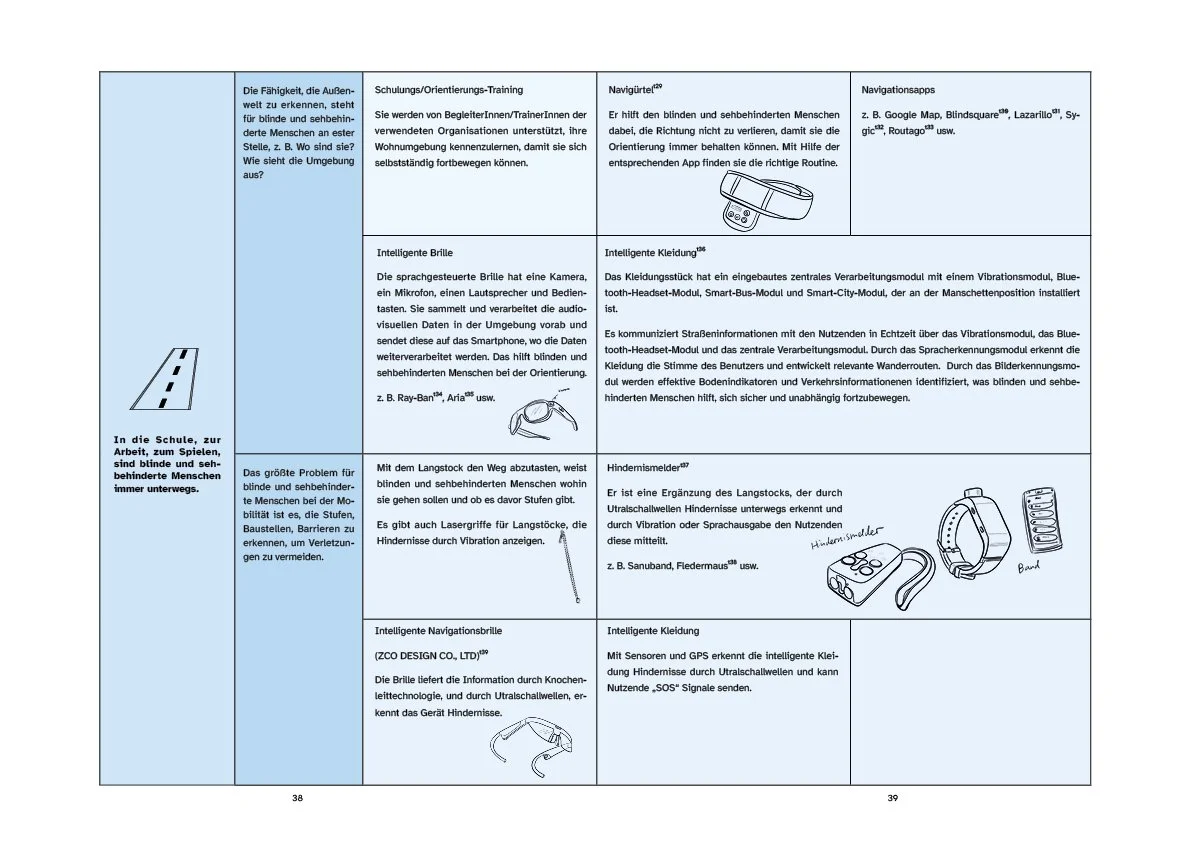
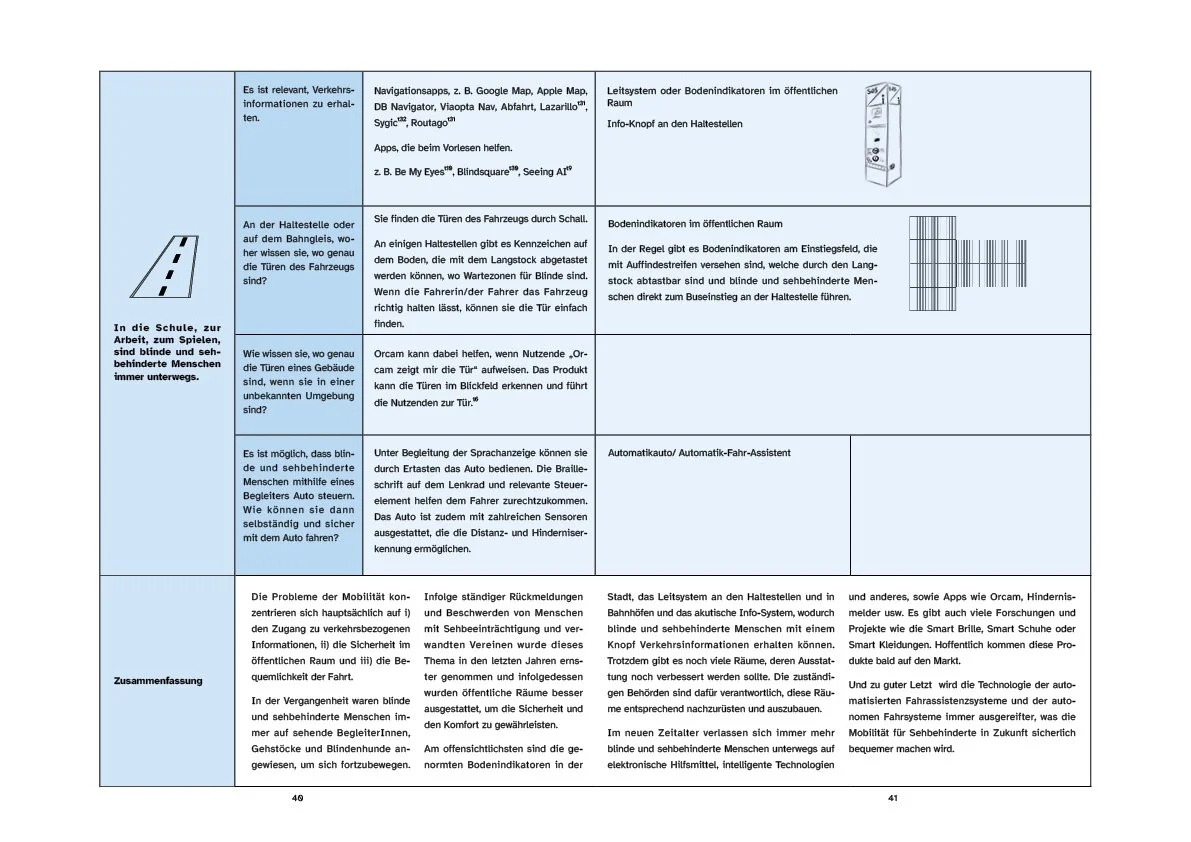
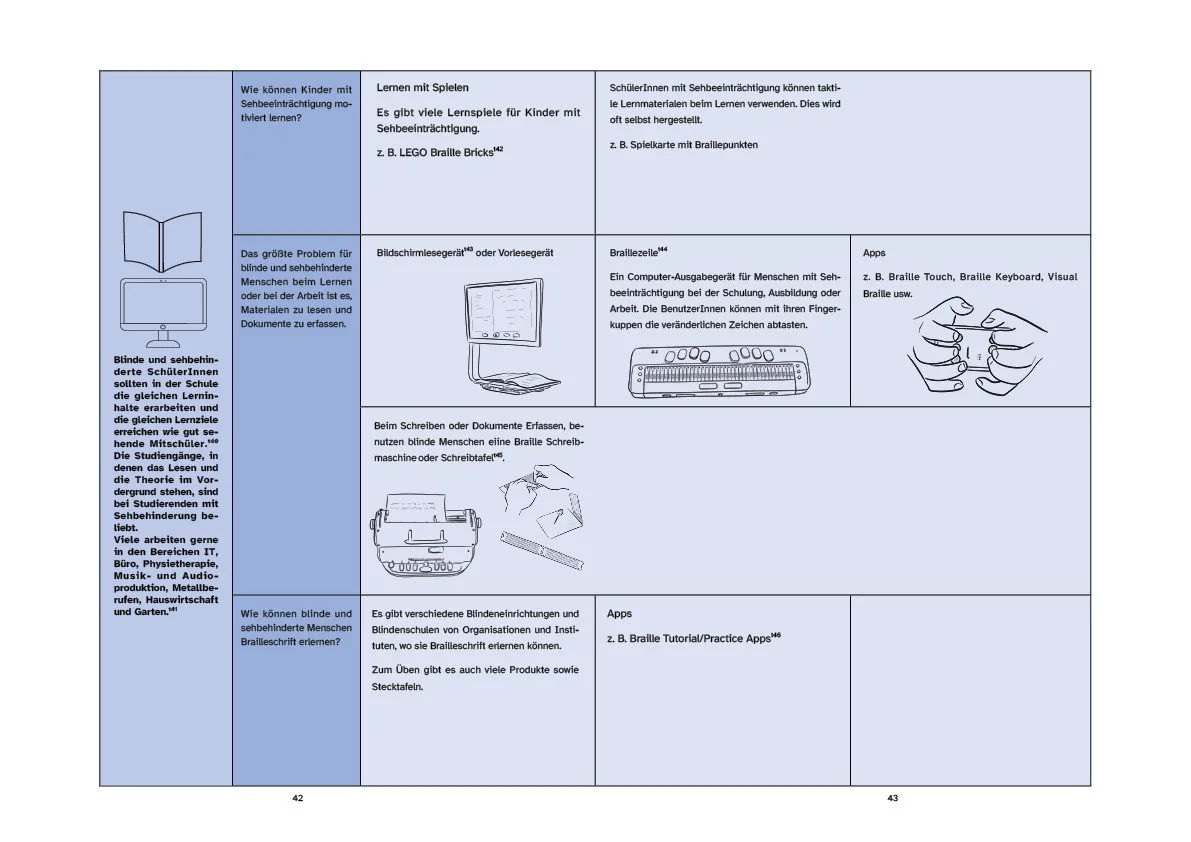
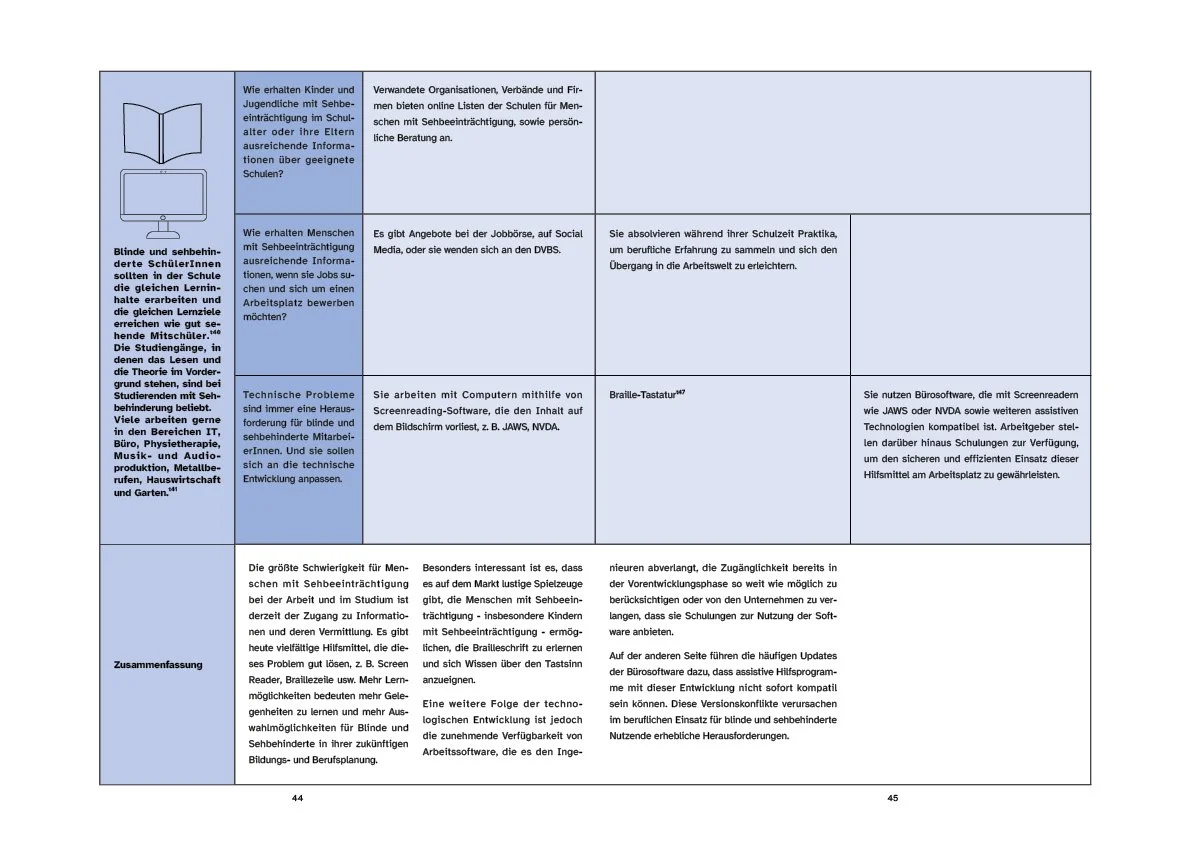
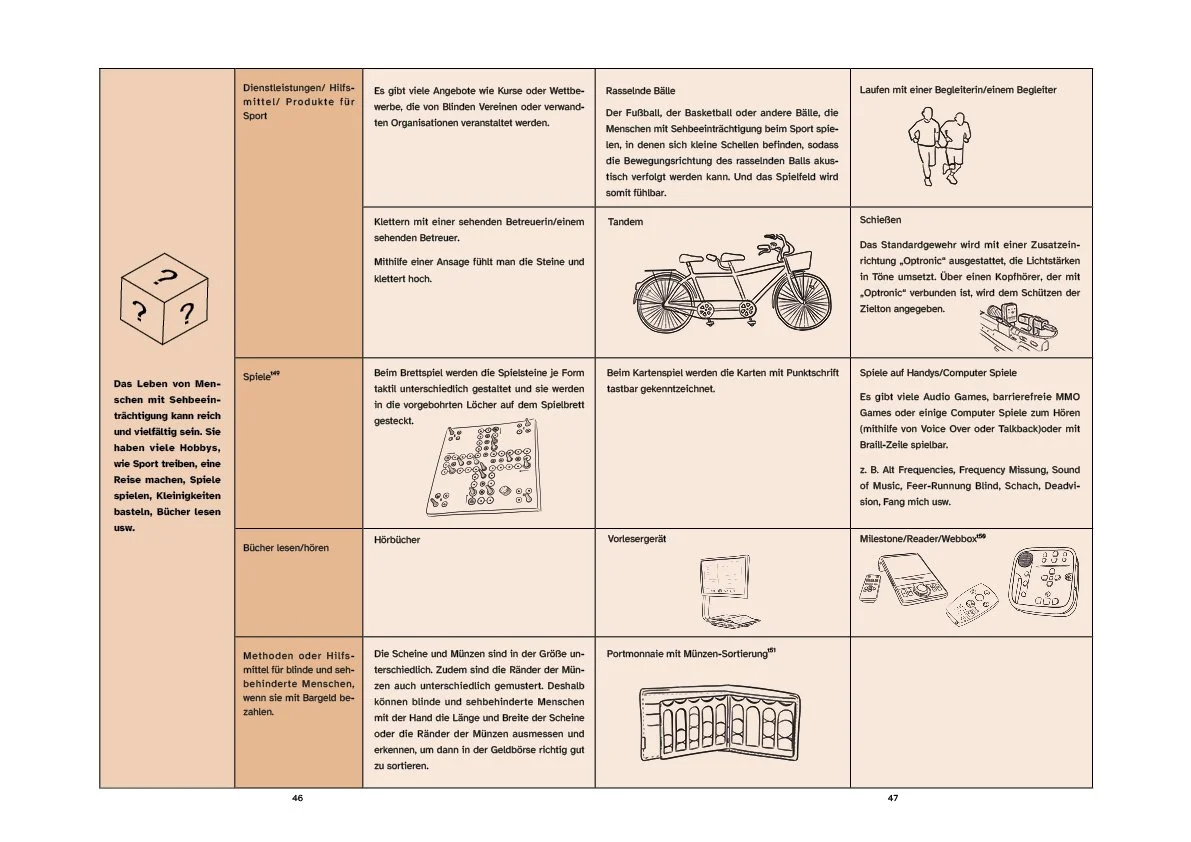
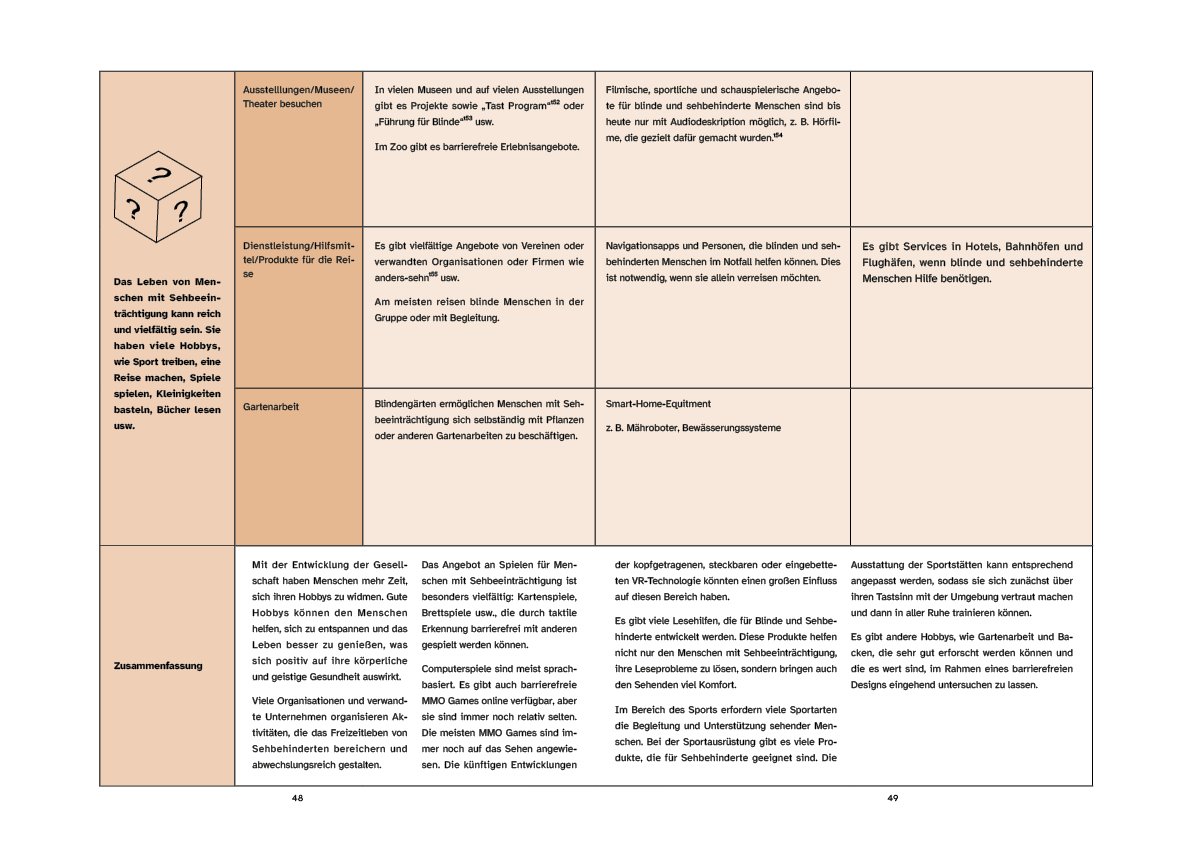
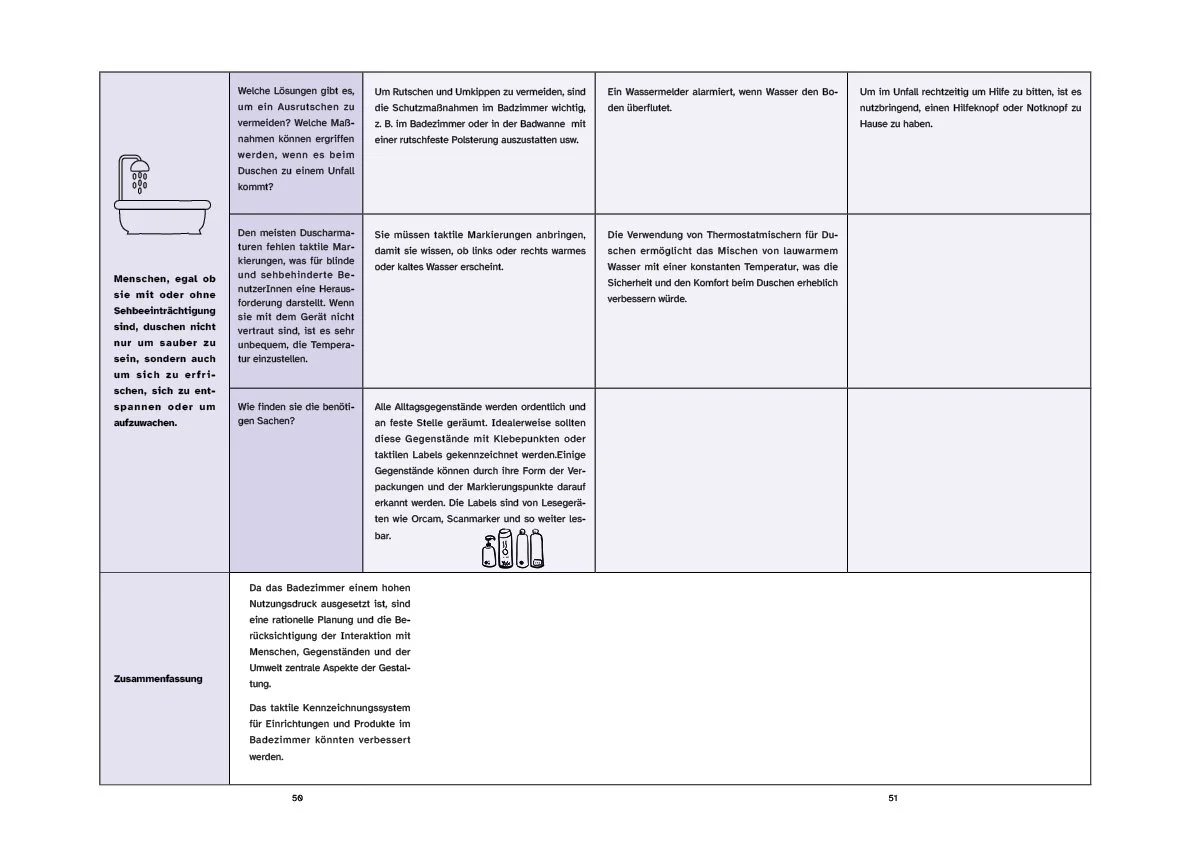
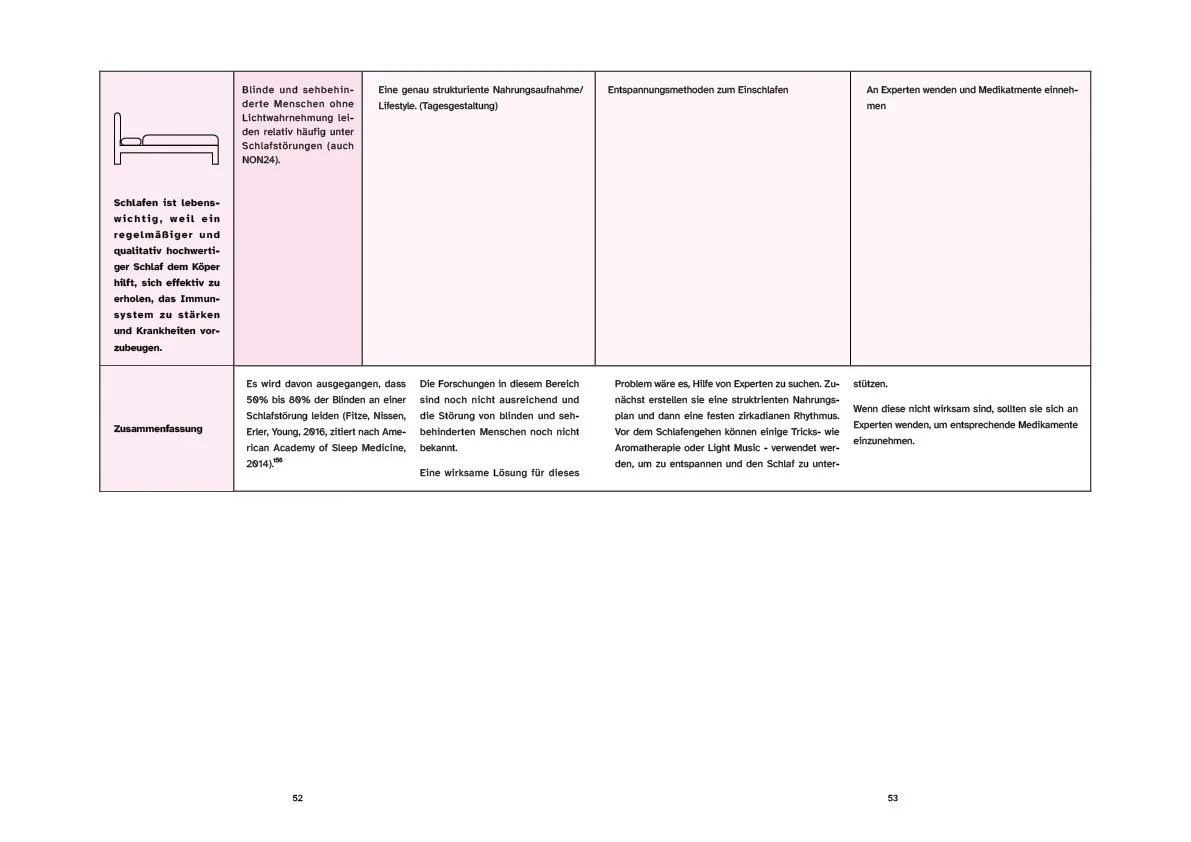
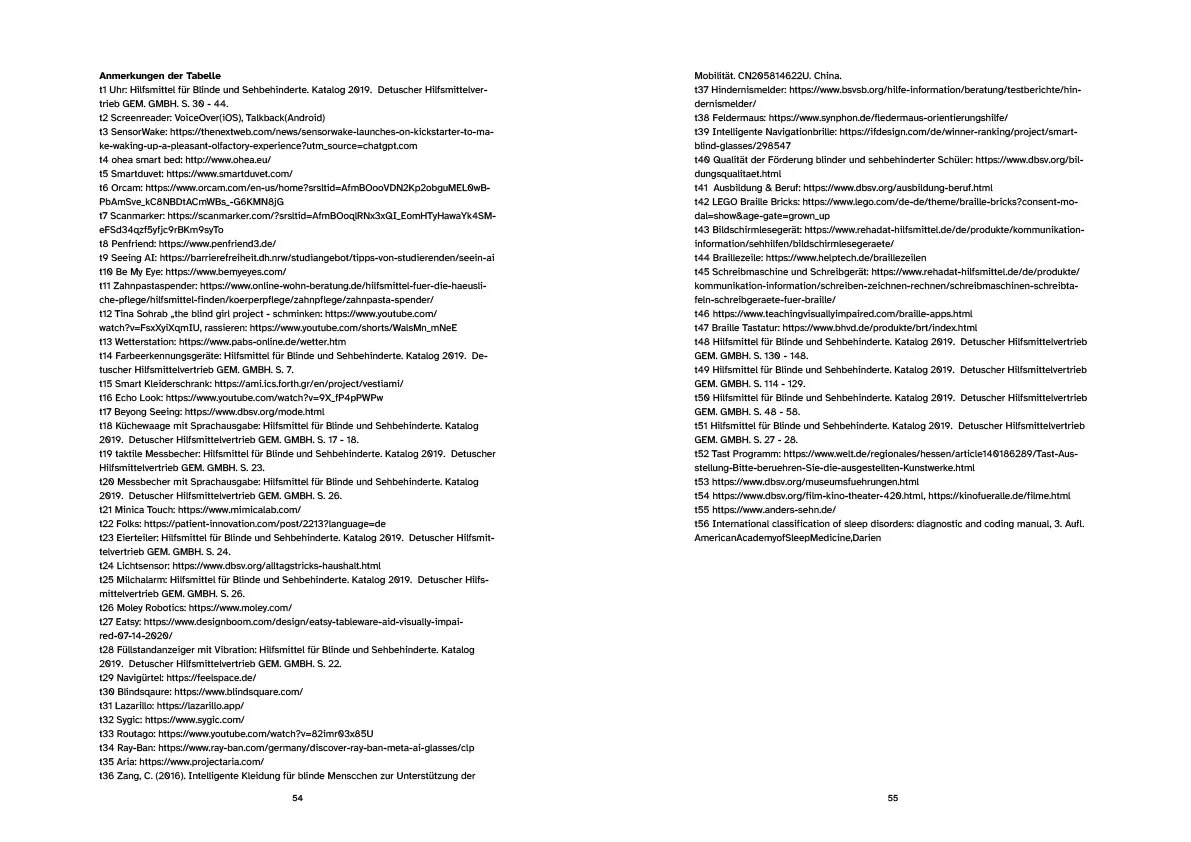
“One Day” is a diagram based on a typical everyday scenario. It simulates the difficulties and inconveniences a visually impaired person may encounter in daily life, explores possible solutions, and highlights the assistive tools that can be used in response.
This research draws on established design theories, including those of Dieter Rams and the principles of universal design, and serves as an important foundation for deriving the six design principles.
One Day
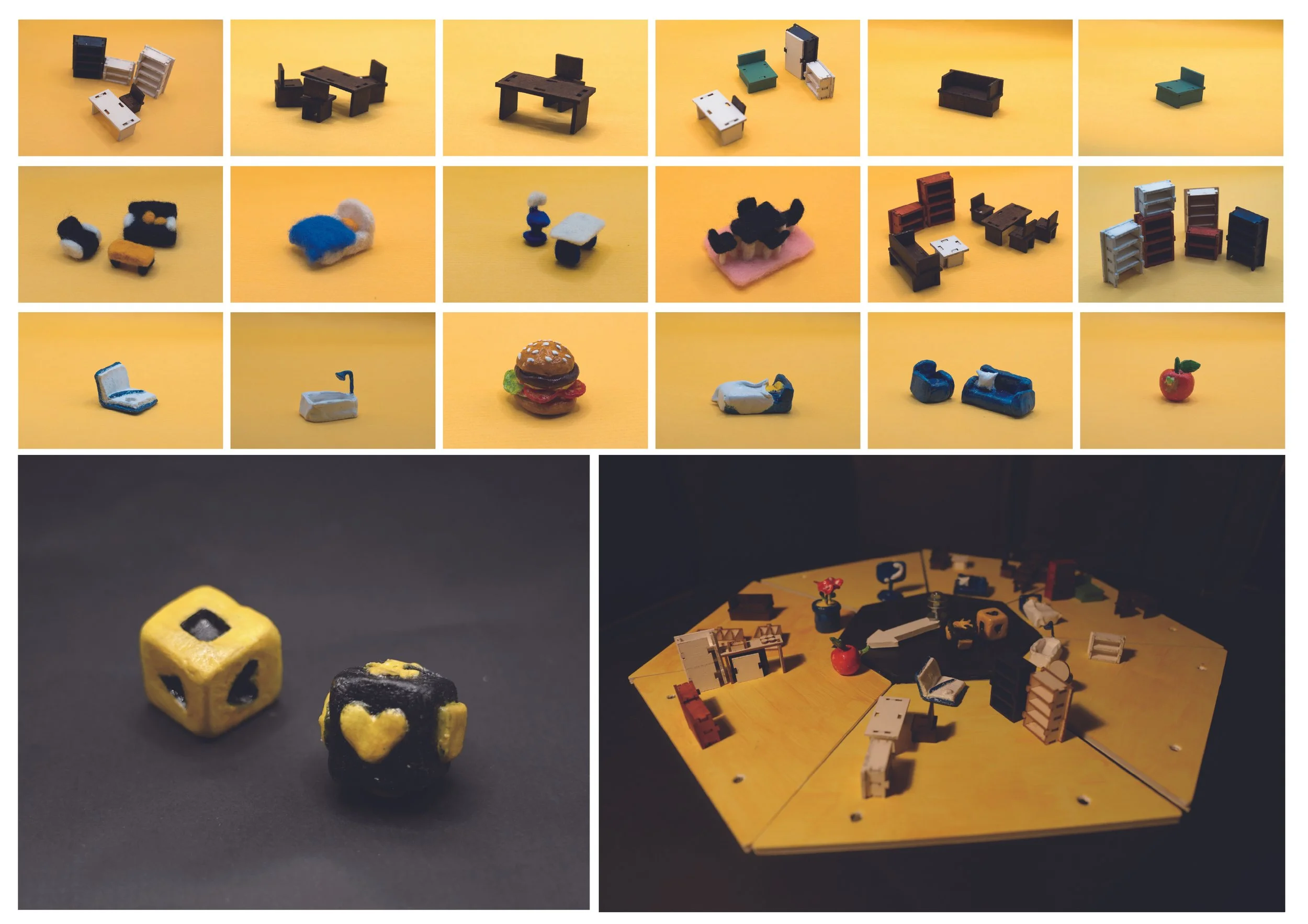
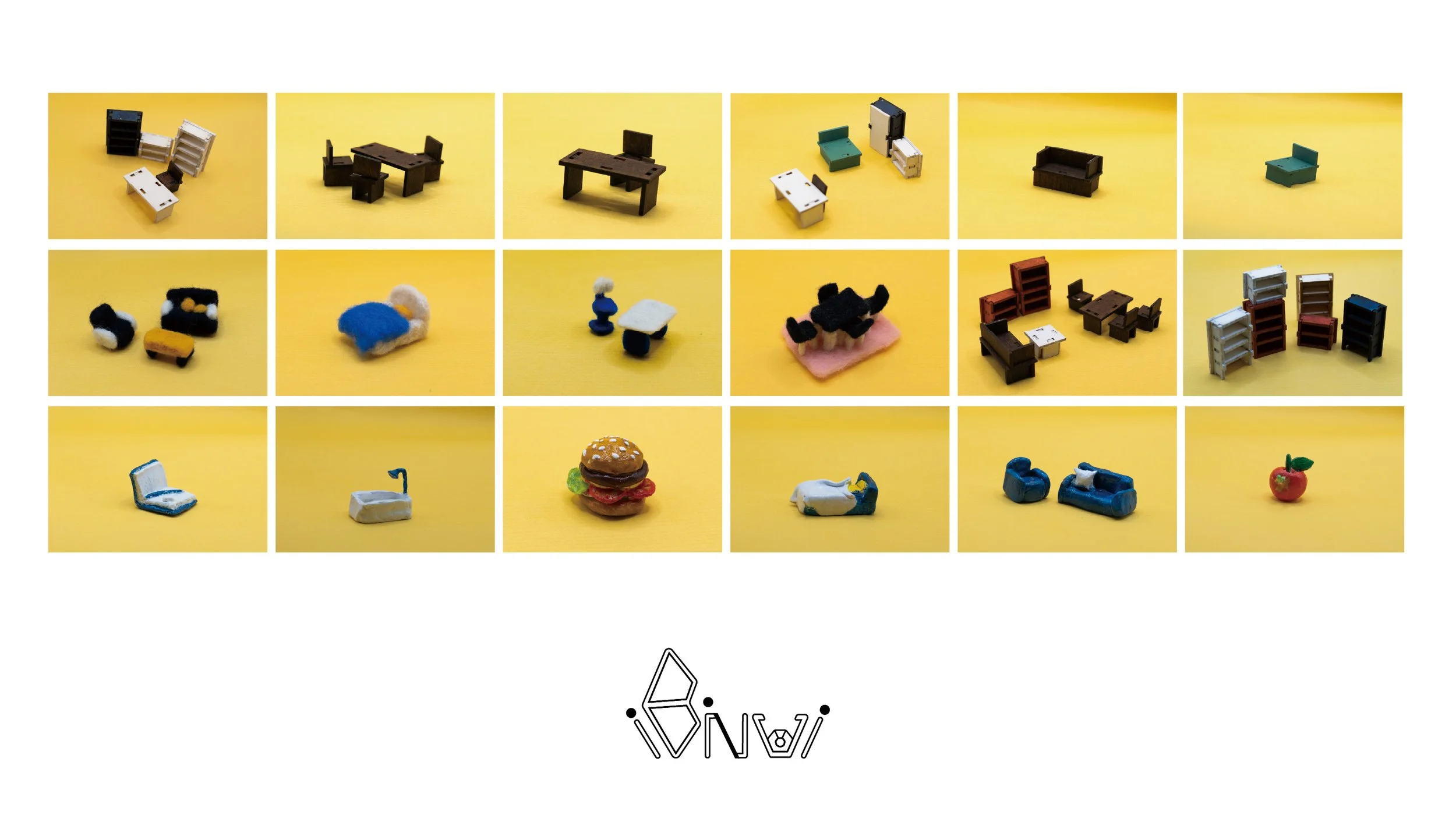
Prototypen